
Here are the tips you need to make movies do big work for you!
Preview Movies for Kids Whenever Possible
The goal of previewing a movie can be about deciding whether or not to show it, but is even better approached with regards to HOW you might show it. Movies can lead to fear or desensitization. We don’t want either option for our kids. There are certainly some films kids are not ready to see and there are many mainstream kids’ movies I have not chosen to show my children,
but in our previewing, we should be looking for the themes we would like to extract for our kids,
and how we are going to make this movie-viewing an experiential event, not just a watching.
Make the Movie an Event
Film watching necessitates conversation,especially with children.
The risk we run with movies is setting aside the time to watch it and no more. When this happens, we open the door for fear or desensitization and leave the final takeaways to chance, rather than our loving leadership.
Here are some simple ways to make more time for movies watching and conversation:
- Plan a theme meal in the middle or after the meal.
- Break up the movie into parts, and plan activities and discussion questions between them.
- Spread the movie viewing over multiple days.
Each of these ways can make the experience deeper and more impactful for kids. Children naturally learn by pretending and playing, and the longer their exposure to a story, the more likely they are to act out the characters, explore that characters struggles, and develop their own character through their play-acting.This ongoing play, when built on the foundation of family dialogue, will take movies and make them lifelong character-building events.
(One of the great gifts of previewing a movie, is that you’ve already seen it, so watching it over the course of four days is far less painful.)
Process Thoughts and Feelings
Movies produce feelings in all but the most desensitized of us. It is important to create space for those feelings to be analyzed.
Finish your movies at least an hour before bed, so kids’ questions can be explored, and so the adults can realize they themselves have questions to explore.
Use film like a third-person counselor.
“Why did that scene make me feel that way?” “Why am I so uncomfortable with that type of character?” “Why do I judge her?” “Why don’t I laugh as easily as my kids?”
Exploring and answering questions like these for ourselves models to our children the seeking heart of one growing “Up, Not Out.” Doing this well with a movie, prepares our hearts to stay communicating and connected when the crises are our own.
Choose one Theme and Explore it
If you view a film in the theatre, or otherwise don’t have time to make a massive event out of it, then take the initiative to at least choose one theme of the movie and create a conversation around it. It could be as simple as recognizing a movie is really funny, and having a ten-minute conversation with your family about funny stories from your own life. This tiny step of intentionality takes a watching experience and makes it one which connects.
This connection is our end-game.
Pursue it through film and put those movies to work for you!
Make sure to check out:
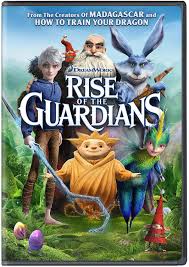
Free Movie Guides
Great Scenes and great conversation can surround movies with a little bit of intentionality.
These movie guides assist you to do so easily!
Guides available to several fun family movies with a new movie guide added each month.
Unlock memorable moments with loved ones today!




Leave a Reply